Brazilian Jiu-Jitsu continues to grow rapidly in popularity
More adults and families are turning to martial arts to improve fitness, learn self-defense, and build confidence. In communities like Hazlet, NJ, people are looking for training that is both effective and sustainable, not just something you try for a few weeks and then quit. The key is having a training plan that is realistic, balanced, and aligned with personal goals.
Hammer Sports and Performance offers structured BJJ training Hazlet NJ programs designed to help students build long-term success, whether they are new to martial arts or looking to take their skills to a higher level. With both Gi and No-Gi Brazilian Jiu-Jitsu classes in Hazlet NJ, students have access to well-rounded instruction, a supportive environment, and opportunities to grow at their own pace.
This guide explains how to build a BJJ training plan that works, how to stay motivated, and how to train safely while progressing consistently.
Why Brazilian Jiu-Jitsu Requires Structured Training
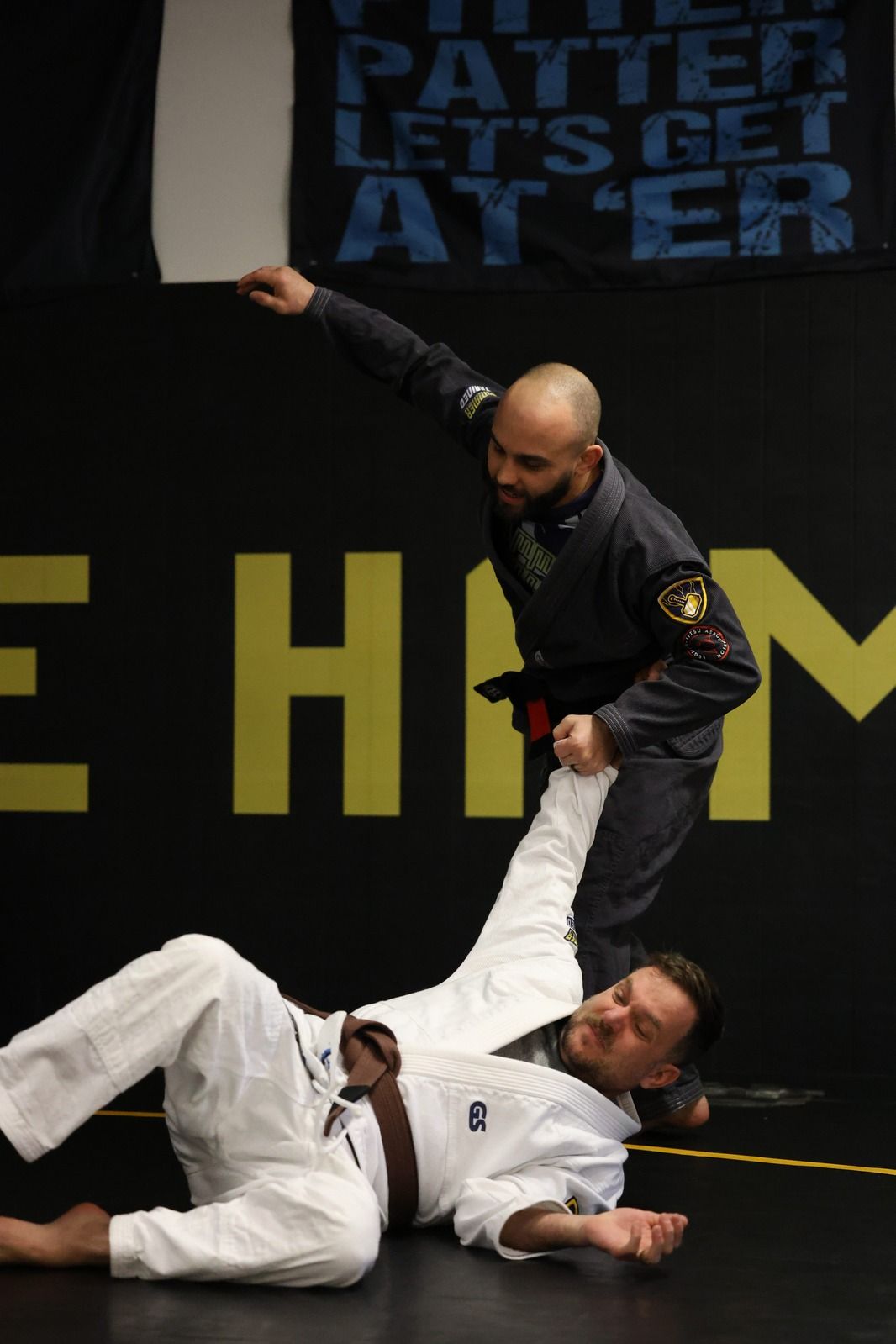
Brazilian Jiu-Jitsu is a technical martial art focused on leverage, positioning, and strategy. It is often described as physical problem-solving where the goal is to control an opponent through grips, angles, and timing. Because there are so many techniques to learn, having a clear training structure can help avoid frustration, burnout, or plateauing.
A structured training plan benefits both beginners and experienced students. It creates routine, improves confidence, and ensures progress is steady rather than random.
Physical, Mental, and Social Benefits of Jiu-Jitsu in Hazlet NJ
Training Brazilian Jiu-Jitsu provides far more benefits than just learning submissions. Many students experience meaningful improvements in their physical health, mindset, and daily habits.
Improved Fitness and Strength
BJJ is a full-body workout. Students develop:
- Functional strength from gripping, framing, and holding positions
- Improved cardiovascular endurance from rolling and drilling
- Core strength from maintaining posture under pressure
Unlike many fitness routines, BJJ improves strength in real-world movement patterns rather than isolated muscle groups.
Increased Confidence and Self-Discipline
Students learn how to stay calm under pressure, solve problems quickly, and control their breathing and emotional responses. These skills often transfer to work, school, and relationships.
Practical Self-Defense Skills
Brazilian Jiu-Jitsu focuses on leverage-based control. This makes it useful for both adults and children, including those who may not consider themselves strong or athletic.
Stress Relief and Mental Resilience
Physical training promotes the release of endorphins. Practicing techniques requires focus, which helps clear the mind and reduce stress.
Community and Relationship Building
The culture in many Jiu-Jitsu academies is built around mutual respect. Students work closely with training partners, forming friendships and accountability networks.
Hammer Sports and Performance emphasizes community growth. Classes provide connection, guidance, and encouragement while maintaining structure and safety.
Common Questions and Concerns About Starting BJJ
1. How long does it take to earn a belt in Brazilian Jiu-Jitsu?
Progress varies from student to student. Advancement is based on consistent training, technical understanding, and personal development rather than a fixed timeline. Most students focus on improving instead of rushing rank promotion.
2. Do I need to compete in tournaments to progress in BJJ?
Competition is optional. Many students train for self-defense, fitness, and personal growth. Hammer Sports and Performance supports students who want to compete, but participation is not required.
3. What is the difference between Gi and No-Gi Brazilian Jiu-Jitsu classes in Hazlet NJ?
Gi training uses the traditional kimono, allowing grip-based control and slower, more technical exchanges. No-Gi training uses athletic clothing and emphasizes faster movement and body control without cloth grips. Both are valuable and complement each other.
4. Can my child and I train Brazilian Jiu-Jitsu together?
Yes. Many families choose BJJ because it builds confidence, discipline, and communication. Hammer Sports and Performance offers class options for both kids and adults, making it possible to share the learning experience.
5. How should I recover after training to avoid soreness?
Hydration, stretching, nutrition, and adequate sleep support muscle recovery. Light movement on rest days can also help reduce soreness. If unsure, instructors can provide recovery guidance based on your training frequency.
6. What should I do if I feel overwhelmed while learning new techniques?
It is normal to feel challenged in Brazilian Jiu-Jitsu. The key is consistency. Ask questions, focus on small improvements, and avoid comparing your progress to others. Instructors and training partners are there to help you grow at a comfortable pace.
How to Build a BJJ Training Plan That Works Long-Term
Step 1: Define Your Goals
Your training plan should reflect what you want from Jiu-Jitsu. Examples include:
- Improving overall fitness
- Learning practical self-defense
- Progressing to competitions
- Training as a long-term lifestyle practice
If your goal changes, your training schedule can adjust too.
Step 2: Choose the Right Program Structure
Hammer Sports and Performance offers both traditional Gi classes and No-Gi Brazilian Jiu-Jitsu classes in Hazlet NJ. Each has unique benefits:
Gi Training
Helps develop grip control and technical awareness.
No-Gi Training
Focuses on speed, wrestling-style movement, and body control without cloth grips.
Most students benefit from training both styles over time.
Step 3: Set a Weekly Training Schedule
For steady progress:
- Beginners: 2 to 3 classes per week
- Intermediate students: 3 to 5 classes per week
- Competitors: 5+ sessions weekly with strength training included
Consistency matters more than intensity. A manageable schedule is easier to maintain.
Step 4: Balance Drilling and Sparring
A well-rounded class includes both technique drilling and live practice. Drilling builds muscle memory. Sparring teaches how to adapt that technique under pressure.
Students should avoid the mistake of trying to win every roll. Focus on experimenting and learning.
Step 5: Add Strength and Conditioning (If Appropriate)
General physical preparedness training can help support longevity. Examples include:
- Bodyweight movements
- Grip strengthening
- Mobility and stretching routines
Hammer Sports and Performance incorporates structured strength training in its programs, helping students avoid injury and improve physical performance.
Progress Tracking and Growth Mindset
Brazilian Jiu-Jitsu takes time to learn. Rank progression is slow and deliberate. This teaches patience and discipline. Rather than focusing on belts, students benefit most from tracking:
- Techniques learned
- Mistakes recognized
- Improvement in awareness and timing
- Confidence and comfort level during training
Keeping a training journal can help maintain motivation and highlight progress that may not be obvious day to day.
Injury Prevention and Training Safety
Training safely ensures longevity. Students should:
- Warm up properly
- Communicate boundaries clearly with partners
- Tap early when caught in a submission
- Rest when needed
- Ask instructors for guidance
Most injuries occur when students resist tapping or train while overly fatigued. Listening to the body is part of being a responsible martial artist.
The Local Impact of BJJ Training in Hazlet NJ
Hazlet and its nearby communities such as Union Beach, Keyport, Matawan, and Holmdel have a strong culture of sports and active living. Many families seek programs that support positive growth and character development. Brazilian Jiu-Jitsu encourages humility, discipline, and perseverance, which benefit both youth and adults.
Local training academies like Hammer Sports and Performance contribute to:
- Strengthening community bonds
- Building healthier lifestyles
- Encouraging positive role models for young students
- Preparing individuals with practical self-defense awareness
Students gain tools that support confidence and safety in everyday life.
Frequently Asked Questions
How often should a beginner train?
Two to three classes per week is recommended to build progress without burnout.
What should I wear to my first class?
Comfortable athletic clothing is fine for No-Gi classes. Gi uniforms are usually available for purchase at the academy.
Will I be sparring on my first day?
Most academies ease students into live training gradually. Beginners may observe or drill positional exercises first.
Does BJJ help with weight loss?
Yes. Regular training increases cardiovascular endurance and burns calories while building lean muscle.
Are private lessons beneficial?
Yes. Private lessons allow for focused attention on specific techniques and problem areas.
If you are ready to begin a structured and sustainable BJJ training journey, Hammer Sports and Performance provides expert instruction in a supportive environment. Whether your goal is fitness, self-defense, personal growth, or competition training, you can start at your own pace.
Start your free trial today and experience Jiu-Jitsu in Hazlet NJ with a community that supports your progress.
