Youth Jiu-Jitsu gives kids a place to get stronger, calmer, and more confident, one small win at a time.
Parents in Hazlet want more than a way to burn energy after school. You want an activity that helps your child stand taller, listen better, handle frustration, and feel capable in new situations. That is exactly why Youth Jiu-Jitsu works so well for so many families.
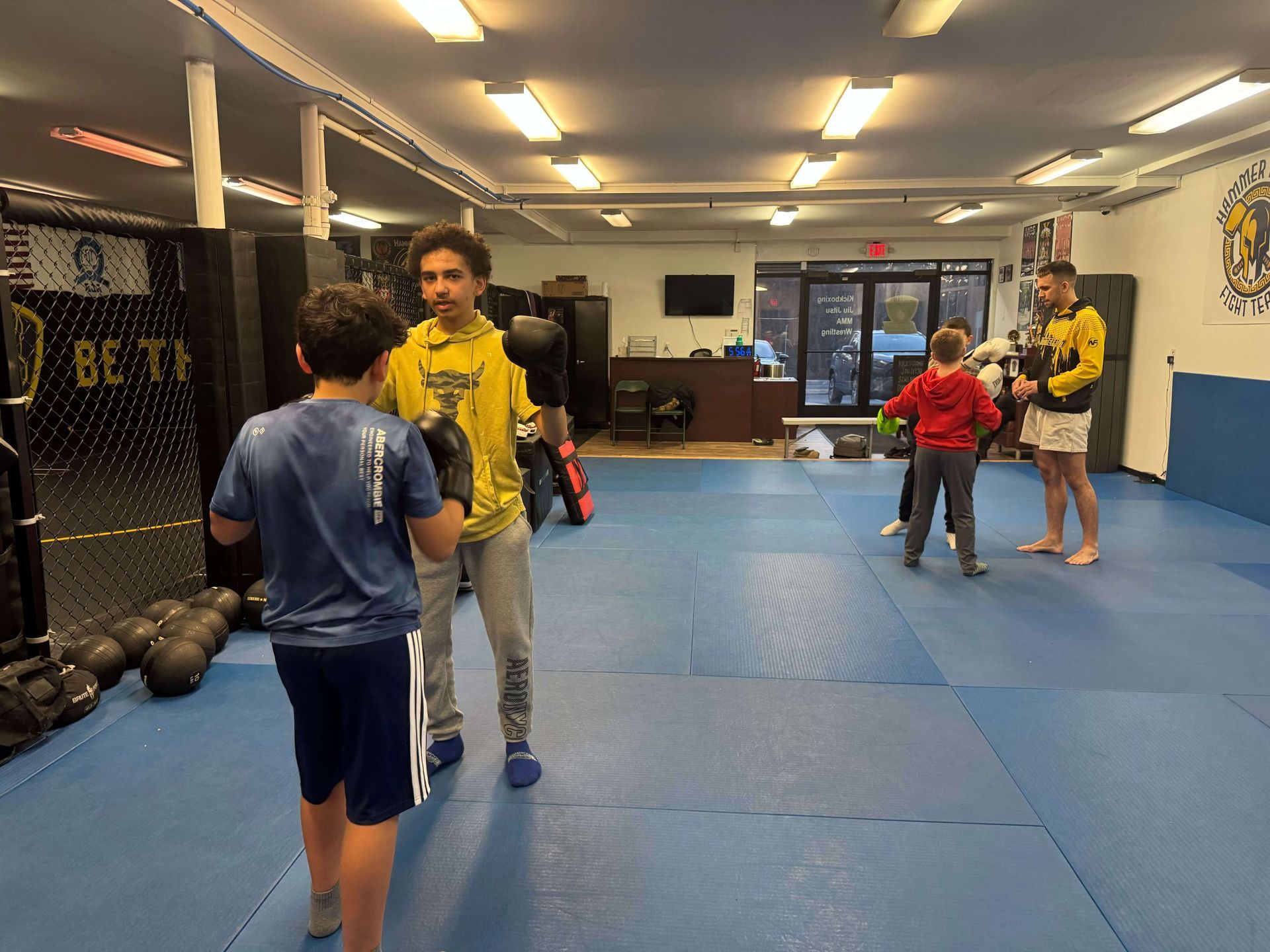
In our classes, kids do not just learn grappling. We use Youth Jiu-Jitsu as a structured youth development program where strength, coordination, and confidence grow together. It is physical, yes, but it is also thoughtful, with clear rules, safe boundaries, and a step by step curriculum that meets your child where your child is.
If you have been searching for Youth Jiu-Jitsu in Hazlet, NJ or BJJ Training Hazlet, NJ, you are likely wondering the same things most parents ask: What age can kids start, is it safe, and what will my child actually gain from it? Let’s walk through it in a practical way.
Why Youth Jiu-Jitsu works for Hazlet families
Hazlet is busy in the best way: school, sports, homework, family schedules, and everything that fills a typical week in Monmouth County. Youth Jiu-Jitsu fits because it scales to your child’s age and personality. We can keep it playful and foundational for younger kids, then build more focus and responsibility as students mature.
What makes it different from many activities is the combination of movement plus decision making. Kids are not just running in a straight line or repeating a single skill. They are learning how to solve problems with their bodies, how to stay calm when something feels challenging, and how to reset after mistakes. That last part matters more than most people realize.
Youth Jiu-Jitsu also gives kids a positive kind of accountability. There is a clear structure: warmups, technique, drills, and supervised practice. When kids know what to expect, anxiety drops, and effort usually rises.
Strength that makes sense for kids, not just “toughness”
When parents hear “jiu-jitsu,” many imagine kids getting thrown around. Our reality is much more controlled. We build strength through bodyweight movements, partner drills, and positions that teach stability and balance first.
Kids develop real athletic tools: grip strength, hip mobility, coordination, and core control. Those are the building blocks for almost everything else your child does, from soccer and football to just feeling comfortable in gym class. Even kids who do not see themselves as “athletic” often surprise themselves once they realize strength can be trained, not gifted.
And yes, your child will sweat. But it is the good kind of tired, the kind that tends to make the rest of the evening go a little smoother.
Confidence that comes from small, repeatable wins
Confidence is not something we give motivational speeches about. We build it through progression. In Youth Jiu-Jitsu, kids learn a skill, practice it in a controlled drill, then apply it under supervision with a partner. When a child succeeds at a hard thing in a safe environment, something changes.
You will often see it in small moments: a shy child raising a hand to ask a question, a nervous child volunteering first, or a kid who used to quit quickly sticking with a tough drill. Those moments add up.
We also keep confidence realistic. We teach kids to be proud of effort and improvement, not dominance. That tone is important. The goal is a stronger, more capable kid who can handle challenge without becoming aggressive.
What kids actually learn in Youth Jiu-Jitsu class
A good kids program is not random techniques thrown together. We use a structured approach that keeps students learning without feeling overwhelmed. Over time, your child builds an “A to B” understanding: what to do when on top, what to do when on bottom, how to stay safe, and how to escape bad positions.
Here are a few core areas we focus on as students progress:
• Movement fundamentals like shrimping, bridging, and technical stand ups that teach safe, athletic motion
• Positional control concepts so kids learn balance, pressure, and how to stabilize without panic
• Escapes and resets that teach kids not to freeze when they feel stuck
• Basic submissions taught with strict safety rules, tapping, and close coaching supervision
• Respectful partner skills including listening, taking turns, and being a good training teammate
This is where Youth Jiu-Jitsu becomes more than self defense. It becomes a practice in patience, problem solving, and self control.
Discipline without the “drill sergeant” vibe
We care about discipline, but we do not treat kids like robots. Our coaching is firm, clear, and positive. Kids learn how to line up, pay attention, and follow instructions. They also learn how to manage impulses. That is a big deal for younger students, especially in the 4 to 7 age range.
Discipline in Youth Jiu-Jitsu shows up as habits: shoes off the mat, listening when a coach speaks, stopping immediately when told, and taking responsibility for effort. Those habits transfer nicely to school and home routines because kids are practicing them weekly, not hearing about them once.
We also build in fun, because fun is what keeps kids coming back long enough to grow.
Is Jiu-Jitsu safe for kids?
Safety is a fair question, and you should ask it. Youth Jiu-Jitsu is a contact sport, but that does not mean it has to be chaotic. Our safety standards are built into how we teach.
We prioritize controlled intensity, close supervision, and age appropriate pairings. Kids learn to tap early, respect the tap, and stop instantly when a coach calls time. We also spend plenty of time on movement and position before adding higher challenge rounds.
A safe program is not luck. It is coaching, structure, and culture, every class.
Ages and readiness: when can kids start?
In our area, many kids begin around ages 4 to 5, and that is often a realistic starting point for beginner friendly Youth Jiu-Jitsu. That said, readiness matters more than a number. Some younger kids do great with short attention spans because the class is active. Some older kids need a week or two to get comfortable with partner work.
If your child is brand new to contact sports, that is normal. We introduce contact gradually and teach personal space, safe grips, and how to move with control. Most kids adjust faster than parents expect.
How often should a child train each week?
Consistency beats intensity for kids. For many families, two classes per week is a great starting rhythm. It is frequent enough to build momentum, but not so much that it turns into a chore.
Once your child enjoys it and starts remembering techniques, adding a third day can accelerate improvement. If your schedule is tight, even one day per week is better than waiting for the “perfect” season. Youth Jiu-Jitsu rewards steady practice, even in smaller doses.
If you want help picking a routine, our class schedule page makes it easier to see what fits around school, homework, and everything else.
What to expect in your first class
First days come with nerves, for kids and parents. We keep it simple and welcoming. Your child will get introduced to the mat rules, basic movement, and a few beginner friendly drills. No one is expected to perform. The goal is comfort, safety, and a good first experience.
A typical first class includes:
1. A quick orientation to mat safety and how to line up
2. Warmups using kid friendly movements that build coordination
3. Technique of the day taught step by step, with questions encouraged
4. Partner drilling with close coaching and plenty of resets
5. A short, controlled game or supervised practice round based on age and experience
Expect your child to leave a little tired and a little proud. That combination is kind of the point.
What should my child wear?
For the first class, comfortable athletic clothing usually works: a t shirt and shorts or leggings without zippers. We will guide you on uniform options and what we recommend long term, including what helps keep training safe and hygienic.
Bring water, arrive a bit early, and let your child know it is okay to feel new. Every confident student you see started on day one too.
Social growth: learning to be a good teammate
One underrated benefit of Youth Jiu-Jitsu is the social side. Kids learn how to work with different partners, how to handle losing without melting down, and how to win without being a show off. Those are real life skills.
Because training partners rotate, kids are not stuck in the same friend group dynamic. Over time, many students become more comfortable talking to new people, asking for help, and encouraging others. That kind of social confidence can be a quiet game changer, especially for shy kids.
How Youth Jiu-Jitsu supports focus and emotional control
We are careful with claims here. Youth Jiu-Jitsu is not therapy, and it is not a magic switch for behavior. But it does give kids repeated practice at doing hard things calmly.
Every class includes moments where kids have to pause, listen, try again, and manage frustration. When your child gets stuck in a position, the lesson is not panic. The lesson is breathe, make a choice, and work the steps. Over time, that pattern becomes familiar, and kids often start applying it outside the gym too.
It is one of the reasons parents looking for BJJ Training Hazlet, NJ often end up caring just as much about mindset as they do about self defense.
Take the Next Step at Hammer Sports and Performance
If you want an after school activity that builds real strength, practical self defense awareness, and calmer confidence, Youth Jiu-Jitsu can be a strong fit for your family. We keep the environment structured, beginner friendly, and positive so kids can grow at a pace that feels challenging but not overwhelming.
At Hammer Sports and Performance, we treat Youth Jiu-Jitsu as a long term development program, not a one off activity. When you are ready, we would love to help your child get started and feel at home on the mat here in Hazlet.
Continue your training journey beyond this article with Hammer Sports and Performance.
